A Jersey Shore Homeowner's Guide to Porch Enclosures
If you’re a Jersey Shore homeowner thinking about enclosing a porch, adding a screen room, or converting an existing outdoor space into something usable year-round, generic advice won’t get you far. Salt air, wind exposure, humidity, and tight lots change almost every decision you’d make in an inland build.
This post focuses on the decision-making side, which option makes sense for your specific situation, what coastal conditions actually demand from the materials, and how to think about the upgrade path before committing.
If you want to talk through your project before going any further, reaching out to a sunroom contractor in the Jersey Shore region is the fastest way to get answers that apply to your property.
What Jersey Shore Homeowners Are Actually Trying to Solve
Most people aren’t starting from scratch. They’ve got an existing porch, a covered patio, or an older screen room that’s underperforming, and they want to know whether enclosing or upgrading it makes practical and financial sense.
The questions that come up most often aren’t really about products. They’re about fit:
-
- Will this work with what I already have?
-
- How much enclosure do I actually need for the way I use this space?
-
- What holds up here versus what looks good in a showroom and fails in two seasons?
-
- Is this a decision I can reverse or upgrade later, or am I locked in?
Getting those questions answered well requires someone who knows what Jersey Shore conditions actually do to outdoor structures over time.
How to Think About Screen Rooms vs. Sunrooms for Your Use Pattern
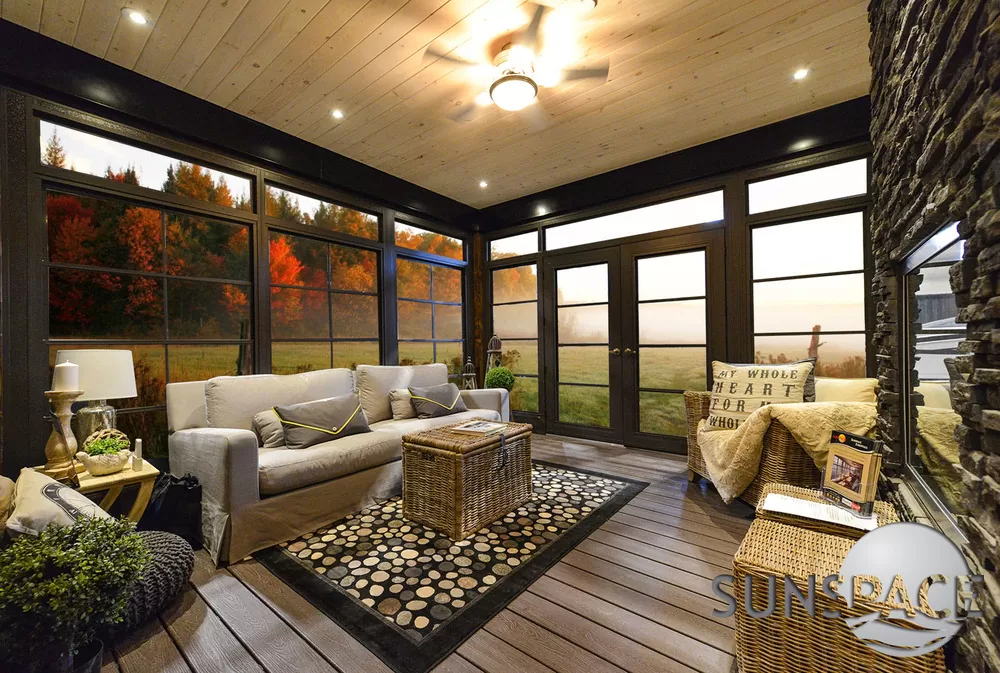
The right choice between a screen room and a sunroom isn’t about which product is better. It’s about matching the level of enclosure to how you actually use the space and what season you want it to work in.
A screen room makes sense if you primarily use your outdoor space between late spring and early fall, and you want to feel connected to the outside air. You get bug protection and airflow without the commitment of full weather sealing.
A sunroom makes more sense if any of these apply:
-
- You want to use the space in shoulder seasons when temperatures drop below comfortable levels
-
- Weather interruptions currently cut your outdoor time short on otherwise usable days
-
- You’re thinking about the space as an investment in home value, not just seasonal comfort
-
- You already know you’ll want more enclosure within a few years
The honest version of this is: a screen room is a great starting point, and the right product family makes it fully upgradeable when your needs change. A sunroom is a better starting point if you already know where you’re headed. Whether a sunroom is worth the investment at the Jersey Shore depends heavily on how you use your outdoor space across the full year, not just peak summer months.
Why Coastal Conditions Change the Material Conversation
This is where a lot of Jersey Shore homeowners get surprised. Standard construction materials weren’t built for what the Shore throws at them, and the difference shows up in performance within a few seasons, not decades.
Salt air and corrosion
Salt air accelerates oxidation on any exposed metal. Structures with untreated aluminum framing, exposed steel fasteners, or standard hardware will show visible corrosion within two to three seasons near the coast. The standard for coastal construction is powder-coated aluminum framing throughout and stainless steel hardware at every connection point. There’s no workaround here that doesn’t eventually cost more than doing it right the first time.
Wind load
Coastal wind loads in New Jersey exceed inland standards, and the framing needs to reflect that. Surface-mounted enclosures move. Properly anchored ones don’t. This distinction isn’t visible once the project is complete, but it’s the difference between a structure that holds up for twenty years and one that develops problems within five.
Humidity and sealing
Coastal humidity exploits gaps and seams that wouldn’t matter in a drier climate. Every edge and corner needs proper sealing, and frames need drainage channels that direct water away from the structure rather than letting it pool and work its way in. This isn’t a materials question as much as an installation quality question, which is why who builds the enclosure matters as much as what it’s made of.
Thinking About the Upgrade Path Before You Start
One of the most useful things to decide before starting any enclosure project is whether you want to leave room to expand later.
The practical answer for most Jersey Shore homeowners is yes. Many people start with a screen room because it’s the right fit now, open, airy, bug-free, and well-suited to warm-season use. Then, a few years later, they want more weather protection as their use of the space changes.
If the original enclosure was built with that upgrade path in mind, the transition is straightforward. If it wasn’t, the options narrow considerably. Asking your contractor how the system you’re starting with connects to the next level of enclosure is worth doing before anything gets built.
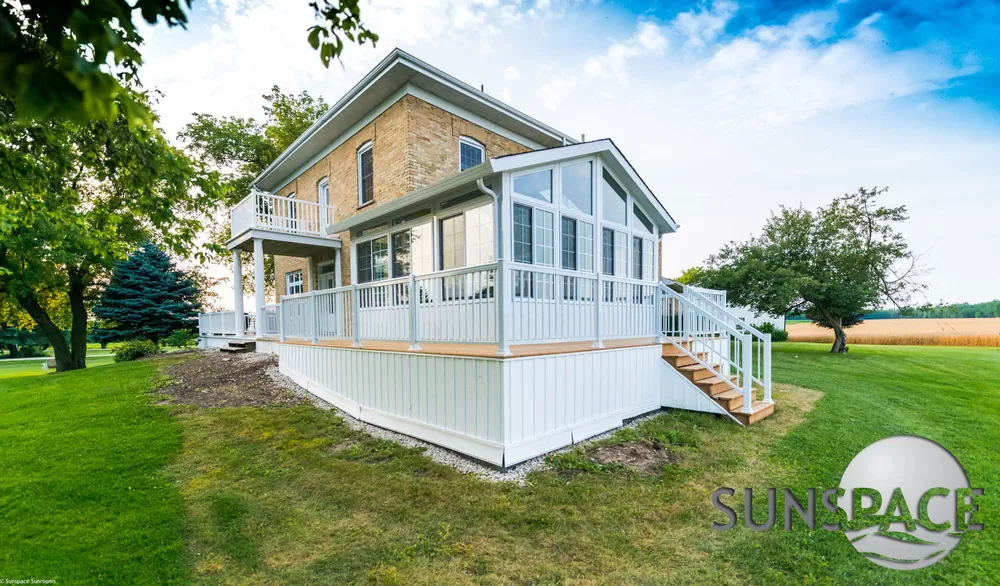
The same thinking applies to porch conversions. There’s a meaningful difference between a porch conversion that treats the existing structure as a permanent constraint and one that treats it as a starting point. Knowing your conversion options before committing to one is the kind of research that saves money later.
What Sunroom Designs Actually Work Here
Jersey Shore lots don’t follow a single template, and design has to start with the specific property.
For waterfront properties with direct water views, the priority is almost always maximizing glass exposure without sacrificing structural integrity. The engineering challenge is wind load; waterfront structures need substantially more anchoring than properties even a few blocks inland.
For compact shore homes with limited lot coverage and tight setbacks, a porch enclosure or screen room that works within the existing footprint is usually more practical than a full addition. Building within what’s already there skips the setback and lot coverage conversations entirely in most cases.
For corner properties that catch wind and sun from multiple directions, orientation matters more than it would on a straightforward rectangular lot. The design needs to account for prevailing wind direction, sun exposure at different times of day, and how the space will feel in different weather conditions.
None of this is something you can figure out from a product brochure. It requires someone who knows the area and has seen what works on similar lots.
Frequently Asked Questions
Is a screen room or a sunroom better for the Jersey Shore?
It depends on your use pattern. A screen room suits warm-season use with maximum airflow. A sunroom suits shoulder-season or year-round use and adds weather protection. The Model 200 WeatherMaster sits in the middle and works well for most Jersey Shore homeowners who want more than a screen room but aren’t ready for a full enclosure.
What materials hold up against salt air near the coast?
Powder-coated aluminum framing and stainless steel hardware throughout. Avoid structures with exposed steel fasteners or untreated aluminum components; both corrode noticeably within a few seasons in a coastal environment.
Can I upgrade a screen room to a sunroom later?
Yes, if the original system was built with that in mind. Some screen room products are designed specifically to upgrade to the next enclosure level. Confirming the upgrade path before you build is worth doing if you think your needs might change.
How close to the water does coastal engineering matter?
It starts mattering before you can see the water. Salt air travels further than most homeowners expect, and wind load engineering applies broadly across Shore communities, not just waterfront lots. If you’re anywhere in Ocean or Monmouth County, coastal material standards apply.
Do permits work differently for porch enclosures near the coast?
The permit process in New Jersey is governed by each municipality, not the proximity to the coast. Requirements vary by township, and the documentation typically includes structural drawings, energy compliance details, and a site plan. A reputable contractor handles all of this as part of the standard project scope.
Ready to Figure Out What Makes Sense for Your Property?
Every Jersey Shore lot is different. The right enclosure for a waterfront home in Toms River isn’t the same solution as one for a compact property in Seaside Heights or a corner lot in Brick Township.
Contact Sunspace of Jersey Shore to schedule a free on-site consultation; no obligation, no pressure, and advice that’s specific to your property rather than generic guidance that applies anywhere.