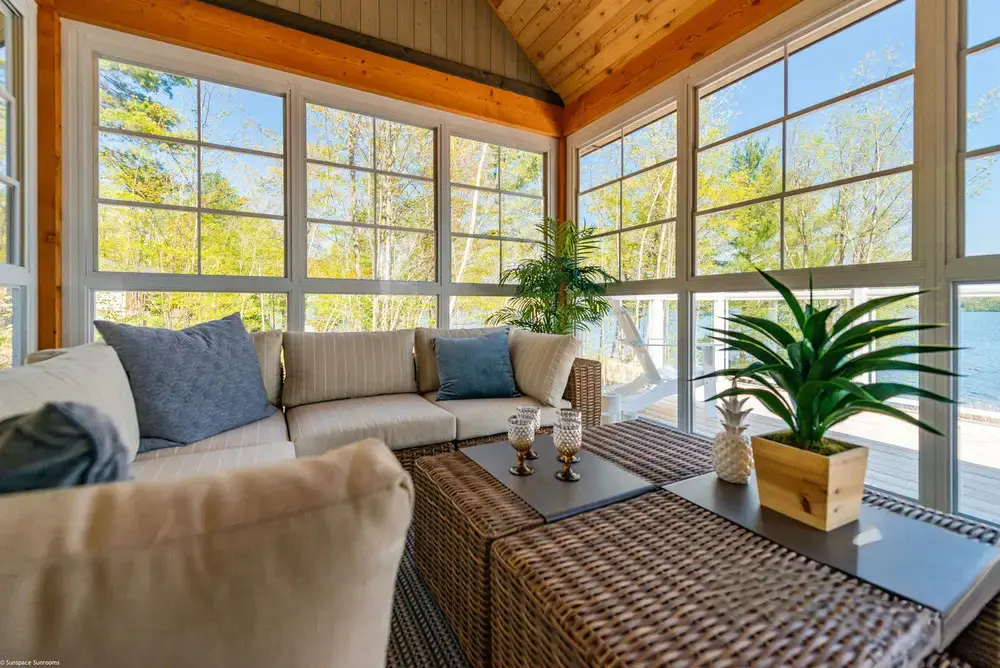
Most homeowners comparing these two options end up staring at spec sheets that don’t actually answer their question. The real decision isn’t about insulation ratings or window systems first; it’s about how your household will actually use the room, and what your specific yard gives you to work with. Two homes on the same street can have completely different right answers here.
This guide skips the pricing and feature comparisons you’ve probably already seen and focuses on the fit questions that actually settle this decision: how you’ll use the space, what your yard exposes it to, and who’s using it and when. By the end, you’ll have a clear read on which option matches your home rather than a generic recommendation.
If you want a second opinion after working through this, a custom sunroom installer St. Louis Metro Area can walk your specific yard and tell you what your orientation and layout actually support.
Start With How You’ll Actually Use the Room
Before anything else, get specific about the room’s job. A space meant for occasional weekend lounging in warm weather has a completely different requirement than one meant to double as a home office you’ll sit in every weekday morning, including January.
Ask yourself honestly: is this a seasonal retreat, or is it meant to function like a real room in your house, usable no matter what the calendar says? A 3-season room excels at the first job. A 4-season room is built for the second. Homeowners who try to make a 3-season room do a 4-season room’s job usually end up disappointed by mid-winter, not because anything was built wrong, but because the room was never asked to do that.
Consider Your Yard’s Sun and Wind Exposure
Two identical rooms can feel completely different depending on where they sit. A room facing south or west with full afternoon sun holds warmth naturally, even without insulation, which can make a 3-season space feel usable further into fall than you’d expect. A north-facing room, or one exposed to open wind with little tree cover or windbreak, loses that natural advantage and tends to feel cold and drafty much earlier in the season.
Before deciding, walk your actual site at different times of day. A yard that stays sheltered and sun-warmed through October behaves differently than one that catches every gust off an open field. Your specific exposure matters more than any general seasonal average.
Think About Who Uses the Space and When
Household patterns shape this decision as much as structural factors do.
- A family with young kids who want a year-round playroom benefits far more from a 4-season build than a seasonal space that sits closed half the year.
- Empty nesters who mainly use the room for warm-weather morning coffee and evening wind-down often find a 3-season room covers everything they actually want from it.
- Households that host regularly- holidays, birthdays, game nights- get more consistent value from a room that works in every month rather than one that’s only available for part of the calendar.
- If the room is meant as a quiet retreat used daily, regardless of season, that daily habit is usually the strongest signal pointing toward a 4-season build.
Picture an actual week in the room, not just a summer afternoon, and the right answer tends to get a lot clearer.
How Long You Plan to Stay in the Home
If you know you’ll be in this house for many years, prioritize how the room fits your daily life over anything else. If your timeline is shorter and a future move is already part of the plan, that’s a separate financial question worth its own conversation with your contractor, not something this decision should hinge on alone.
A Quick Self-Assessment Checklist
Run through these questions honestly before you decide.
- Will I use this room on a random Tuesday in February, or only on a warm Saturday in June?
- Does my yard get strong natural sun exposure, or is it shaded and wind-exposed?
- Is this space meant to replace a room I already use daily, like a home office or living room?
- Do I entertain often enough that year-round availability actually matters to my routine?
- Am I building this primarily for how I’ll live in it, or mainly to add a feature to the home?
If most of your answers point toward daily, year-round use, a 4-season room fits. If they point toward warm-weather enjoyment without a daily commitment, a 3-season room is likely the better match.
When a 3-Season Room Is Clearly the Right Call
A 3-season room makes the most sense when the space is genuinely seasonal by design, a spot for spring and summer dinners, a reading nook through the fall, or an extension of your patio life during the months you’d already be outside anyway. If your household naturally shifts indoors once real cold sets in and you’re fine with that, this option matches how you already live.
When a 4-Season Room Is Clearly the Right Call
A 4-season room fits when the room needs to function like the rest of your house, not an extension of the patio, but an actual room you’d miss if it disappeared in December. Home offices, daily-use family rooms, and spaces meant to host gatherings year-round all point firmly in this direction.
Frequently Asked Questions
Can I start with a 3-season room and decide later if I need 4-season?
In many cases, yes, if the foundation and framing were planned with that future upgrade in mind from the start.
Does my home’s architecture affect which option fits better?
It can. Homes with a lot of natural shade or an exposed, windy lot tend to feel the seasonal limits of a 3-season room sooner than homes with strong afternoon sun exposure.
What if different family members want different things from the room?
That’s common, and it’s usually a sign to prioritize whichever use case happens most often during the week, since daily habits tend to matter more than occasional preferences.
Is there a wrong answer between these two options?
Not really. The wrong answer is choosing based on the room’s features alone without honestly mapping it against how your household actually uses space throughout the year.
Get a Read on What Your Home Actually Needs
Every yard, every household, and every routine is different, and the right room type comes from matching the build to your actual life, not a generic recommendation.
A sunroom installation consultation, including a site walk of your specific yard and a conversation about how your family plans to use the space, is the most reliable way to settle this. If access and flow between the house and the new room matter to your layout, a porch patio doors installation is often part of that same conversation.
Sunspace USA has helped St. Louis Metro Area homeowners figure out which room type actually fits their home, not just their budget. A free consultation is the best way to walk your yard and get a straight answer.