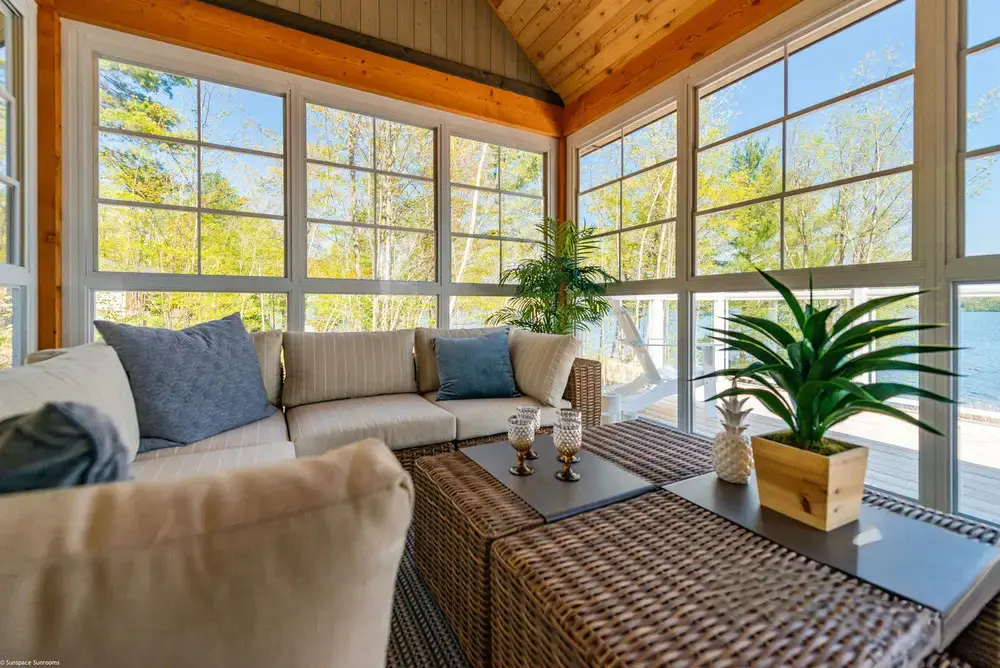
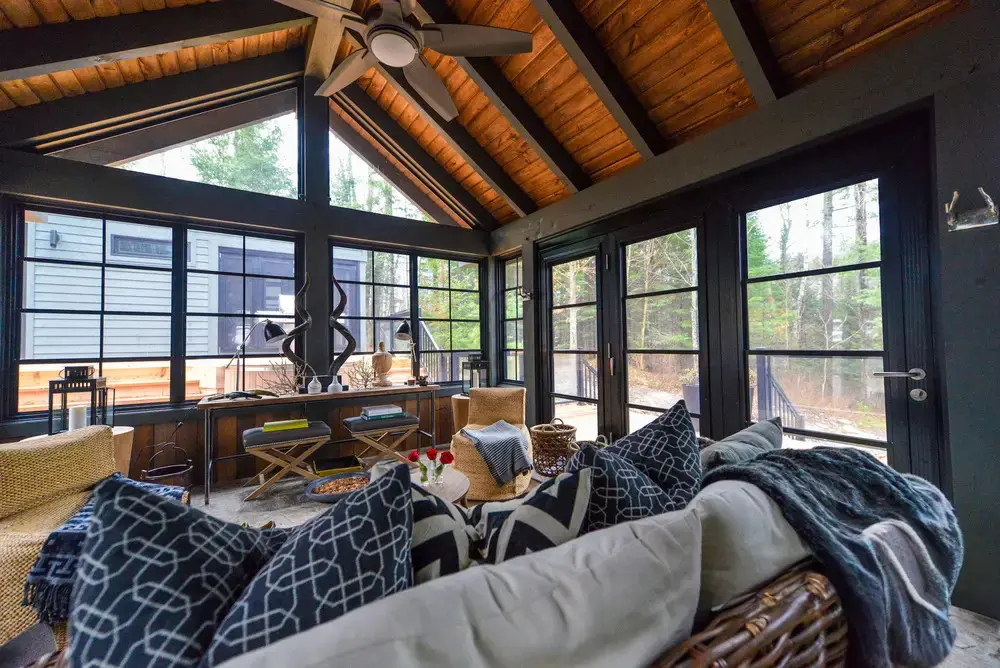
Homeowners usually start this research with one question: which option is cheapest? That’s a fair place to start, but it’s the wrong question if you want an honest answer. The sticker price on a screen room, a 3-season room, and a 4-season room only tells part of the story. What you spend to heat, cool, maintain, and actually use the space over the next ten years often matters more than the number on day one.
This guide walks through what separates these three room types, what each one really costs once you count energy use, upkeep, and how many months a year you’ll actually sit in it. By the end, you’ll have a clear way to compare them that goes beyond a single price tag.
If you’d rather talk through your specific situation, a sunroom contractor in the St. Louis Metro Area can walk your property and tell you which option fits your goals before you commit to anything.
Three Room Types, One Fast Definition
Quick baseline before we get into what actually separates their costs over time: a screen room is an aluminum frame with insect mesh and no glazing, a 3-season room adds vinyl or glass walls with no insulation or HVAC, and a 4-season room is fully insulated and tied into your home’s heating and cooling. The build cost climbs in that same order, which is straightforward enough. What isn’t straightforward is what each one costs you after the crew leaves, and that’s where the real comparison starts.
The Real Cost Difference: What Happens After Installation
This is where most comparisons stop too early. The purchase price is one number, but three more numbers shape what the room actually costs you over time.
Energy and Utility Costs
A screen room and a 3-season room add nothing to your utility bill, essentially, since neither one is heated or cooled. A 4-season room does add a monthly cost, though it’s usually modest if the room is properly insulated and sized correctly for your existing system. Homeowners who skip proper insulation to save money upfront often pay for it every month in higher energy bills.
Maintenance and Lifespan
Screen mesh wears out faster than glass or vinyl, especially with pets or heavy patio furniture use, and replacing torn screens is a recurring cost. Vinyl and glass systems hold up longer with less regular attention. A 4-season room’s insulated walls and thermal-break framing tend to need the least ongoing maintenance of the three.
Usable Months Per Year
Here’s a number most homeowners never calculate: cost per month of actual use. A screen room in Missouri might see heavy use for four or five months. A 3-season room typically stretches that to six or seven months, spring through fall. A 4-season room delivers twelve months of use every year. When you divide the total cost by the months you’ll actually enjoy it, the gap between these three options often looks very different than the sticker price alone suggests.
Comfort Factors the Price Tag Doesn’t Show
Cost isn’t only about dollars. A few day-to-day comfort differences shape whether you actually use the room as often as planned, which is its own kind of return on the investment.
- Screen rooms let in outside noise, humidity, and pollen along with the breeze, since there’s no barrier beyond mesh.
- 3-season rooms cut down on wind and moisture but can still feel drafty once temperatures drop, and condensation on single-pane glass is common in shoulder seasons.
- 4-season rooms hold a steady temperature and stay quieter, since insulation dampens outside noise the same way it does in the rest of your house.
Homeowners who pick a 3-season room expecting 4-season comfort are usually the ones disappointed with the choice, not because it’s built poorly, but because it was never designed for that job.
Financing and the True Ten-Year Cost
A lower sticker price doesn’t always mean a lower total cost once financing enters the picture. Spreading a smaller screen room purchase over a short-term loan can cost less in interest than financing a larger four-season build, but the four-season room also holds more of its value if you sell within that window. If you’re financing either option, run both scenarios against how long you plan to stay in the home before deciding which number matters more.
Which Option Actually Costs Less Over Time?
| Factor | Screen Room | 3-Season Room | 4-Season Room |
| Upfront cost | Lowest | Moderate | Highest |
| Annual utility cost | None | Minimal | Modest |
| Usable months per year | 4-5 | 6-7 | 12 |
| Maintenance level | Higher (screens) | Moderate | Lower |
| Temperature and noise control | Minimal | Partial | Strongest |
How to Decide Which Room Type Fits Your Home
Your answer usually comes down to how you plan to use the space and how long you plan to stay in your home. A screen room installation makes sense if you mainly want bug protection on an existing patio and don’t mind a seasonal space. A 3-season room fits homeowners who want a finished look and extended use without the investment of HVAC. If you want the room to function like the rest of your house every month of the year, a full sunroom installation built to the 4-season standard is usually worth the additional cost.
Frequently Asked Questions
Is a 3-season room worth it if I already have a screened porch?
Often, yes, if you want better weather protection and a longer usable season. The glass or vinyl walls block wind and rain that screens can’t stop.
Can a screen room be upgraded to a 3-season or 4-season room later?
In many cases, yes. Sunspace systems are built with upgrade paths in mind, so the frame and foundation can often support a later conversion.
Which option adds the most home value?
That’s really its own topic with a lot of moving parts, like how a room gets appraised and what your local market rewards. It deserves a closer look on its own rather than a quick answer here.
Is it cheaper to finance a screen room now and upgrade later, or finance a 4-season room from the start?
It depends on your loan terms and how long you’ll stay in the home. Shorter-term financing on a smaller build often costs less in total interest, but doubling up on financing for a later upgrade can offset that savings.
Do 4-season rooms really cost more to heat and cool?
They do add some utility cost, but a properly insulated room sized correctly for your existing HVAC system usually adds a modest amount rather than a dramatic one.
Get Expert Help Choosing the Right Room for Your Home
The right choice isn’t just about the number on your quote. It’s about how many months a year you’ll use the space, how much upkeep you’re willing to take on, and what you want your home to be worth down the road.
Sunspace USA has helped homeowners across the St. Louis Metro Area weigh these exact tradeoffs for years. A free consultation gets you a clear, honest recommendation based on your home, not a generic sales pitch.