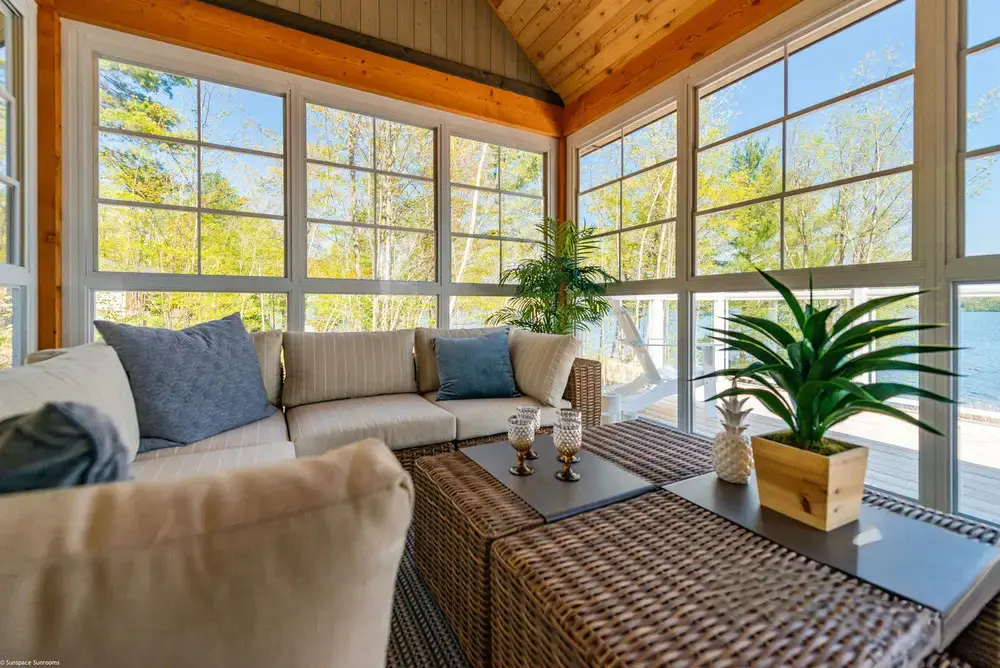
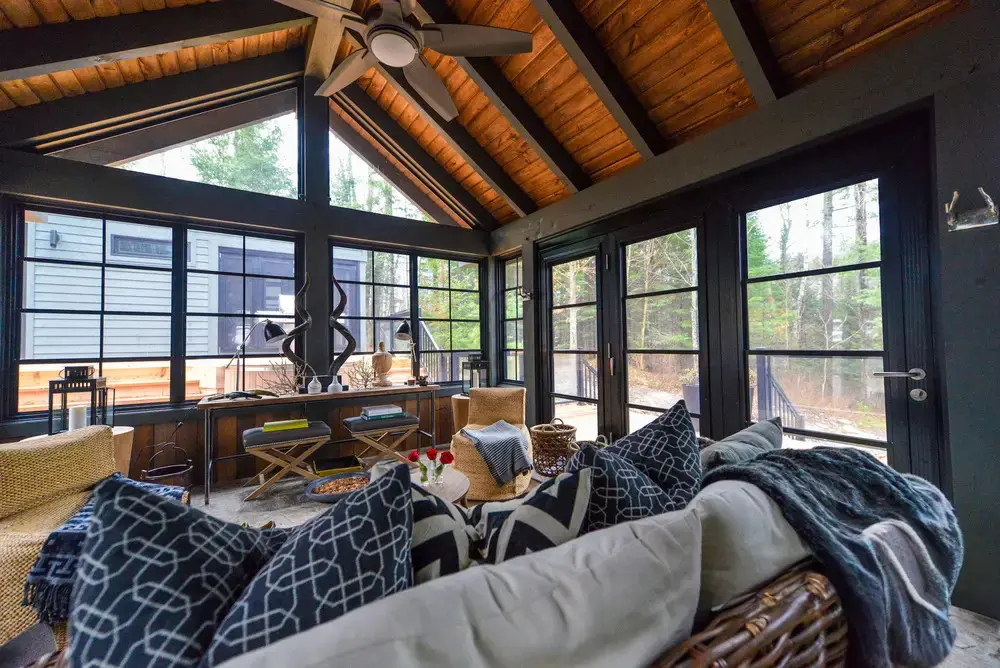
If you’re weighing a sunroom against other home upgrades, you’ve probably asked the practical question first: will this actually pay me back when I sell? It’s a smart question, and the answer is more nuanced than a simple yes or no. A sunroom can genuinely boost your home’s value, but how much depends on the type you build, how well it’s integrated into your house, and what buyers in your market are actually looking for.
This guide breaks down what sunroom ROI really means, how the numbers change between screen rooms, 3-season rooms, and 4-season rooms, and what specifically drives a stronger return when you eventually list your home. You’ll walk away knowing exactly what to prioritize if resale value matters to your decision.
If you want a sense of what your specific property could gain, residential sunroom contractors in St. Louis Metro Area can walk your home and give you a realistic value estimate based on comparable local sales, not just a national average.
What Sunroom ROI Actually Means
Return on investment for a sunroom is the percentage of your project cost you’re likely to recover when you sell your home. It’s calculated by comparing your build cost against the increase in appraised or sale value that the room contributes. National cost-versus-value data consistently puts sunroom additions somewhere in the 49 to 65 percent recoup range, with well-integrated, permitted four-season rooms often landing at the higher end and lighter, seasonal enclosures landing lower.
That said, ROI percentage isn’t the whole picture. A sunroom also tends to shorten your home’s time on market, since it’s a distinctive feature that photographs well and appeals to buyers who want more livable space without a full addition.
How Much Value Does a Sunroom Typically Add?
Not every sunroom type earns the same return, mainly because appraisers and buyers treat them differently. Here’s a general sense of how the three main types tend to compare.
| Room Type | Typical ROI Range | Why |
| Screen room | 20-35% | Seasonal use only, not counted as conditioned living space |
| 3-season room | 30-50% | Adds finished appeal but lacks HVAC and full insulation |
| 4-season room | 50-65%+ | Counted as true living space by most appraisers |
These are general ranges, not guarantees. Your actual return depends heavily on your specific home, neighborhood, and the quality of the build itself.
Why Four-Season Rooms Outperform at Resale
The gap between a 4-season room and the other two types comes down to one detail: how appraisers classify the space. A fully insulated room connected to your home’s HVAC system usually counts as genuine, permitted square footage, the same way a bedroom or family room would. In markets where homes are priced per square foot, that distinction carries real weight on a comparable sales sheet.
A screen room or 3-season room still adds curb appeal and buyer interest, but appraisers typically treat them as bonus features rather than conditioned living area. That’s not a reason to skip them. It just means the ROI math works differently, and your goals should drive which one you choose.
Factors That Increase or Shrink Your Return
A handful of decisions make a measurable difference in how much value your sunroom actually holds onto at resale.
- Materials and trim that match your existing home’s exterior, rather than looking like an obvious add-on
- Proper permits and code-compliant construction, since unpermitted additions can create problems during a home inspection
- Energy-efficient glazing and adequate insulation for four-season rooms
- Quality of installation, including a solid foundation and weather-tight construction
- Local buyer demand, since sunrooms tend to perform best in climates where extended outdoor living carries real appeal
Skipping any of these to save money upfront tends to show up later as a lower appraisal or a harder sell.
Property Taxes and Assessed Value: The Other Side of ROI
Here’s a detail many homeowners overlook. A four-season room usually increases your home’s assessed value, which can raise your property tax bill alongside your resale value. Screen rooms and 3-season rooms are often classified differently by county assessors and may have a smaller impact on your taxes. Neither outcome is good or bad on its own, but it’s worth factoring into your decision if you’re weighing long-term costs against resale gains.
Sunroom ROI vs Other Popular Home Improvements
Sunroom ROI tends to sit in a similar range as other mid-size home improvements. A minor kitchen remodel often recoups a comparable percentage, while a full primary suite addition tends to land close to the same range as a well-built four-season room. Compared to a basic deck or porch enclosure installation, a sunroom typically requires a larger upfront investment but returns a more finished, code-compliant space that buyers can picture using every month of the year.
How to Maximize Your Sunroom’s Resale Value
If resale value is a priority, a few practical steps make a real difference before you break ground.
- Choose a four-season build if your budget allows, since it consistently returns the strongest resale percentage
- Work with a contractor who pulls proper permits and documents the work for future buyers
- Match exterior materials and rooflines to your existing home rather than treating the room as a separate structure
- Keep the space multi-purpose in your listing photos, showing it as a home office, dining area, or lounge
- Browse our projects page for examples of builds that blend seamlessly with the home’s existing architecture
Frequently Asked Questions
Does a sunroom count as square footage for resale?
A properly insulated four-season room connected to HVAC usually counts as conditioned living space. Screen rooms and 3-season rooms typically don’t, since they’re not climate-controlled.
Will an unpermitted sunroom hurt my home’s value?
Yes, in most cases. Unpermitted additions can complicate a sale, delay closing, or require costly retroactive permitting before a buyer’s lender will approve financing.
Is a four-season room always worth the extra cost?
Not always. If pure ROI is your only goal, it usually is. If you mainly want a seasonal space for less money, a 3-season room still adds value, just at a lower percentage.
Does the local climate affect sunroom ROI?
Yes. Homes in regions with distinct seasons, like the St. Louis Metro Area, tend to see strong buyer interest in sunrooms since they extend usable outdoor time through more of the year.
Get a Realistic Value Estimate for Your Home
ROI percentages are useful for planning, but the number that matters most is what a sunroom would actually do for your specific property. That depends on your home’s age, your neighborhood’s comparable sales, and how the room is built.
Sunspace USA has helped homeowners across the St. Louis Metro Area plan sunroom additions that hold their value at resale. A free consultation gets you a straightforward answer based on your home, not a generic industry average.